
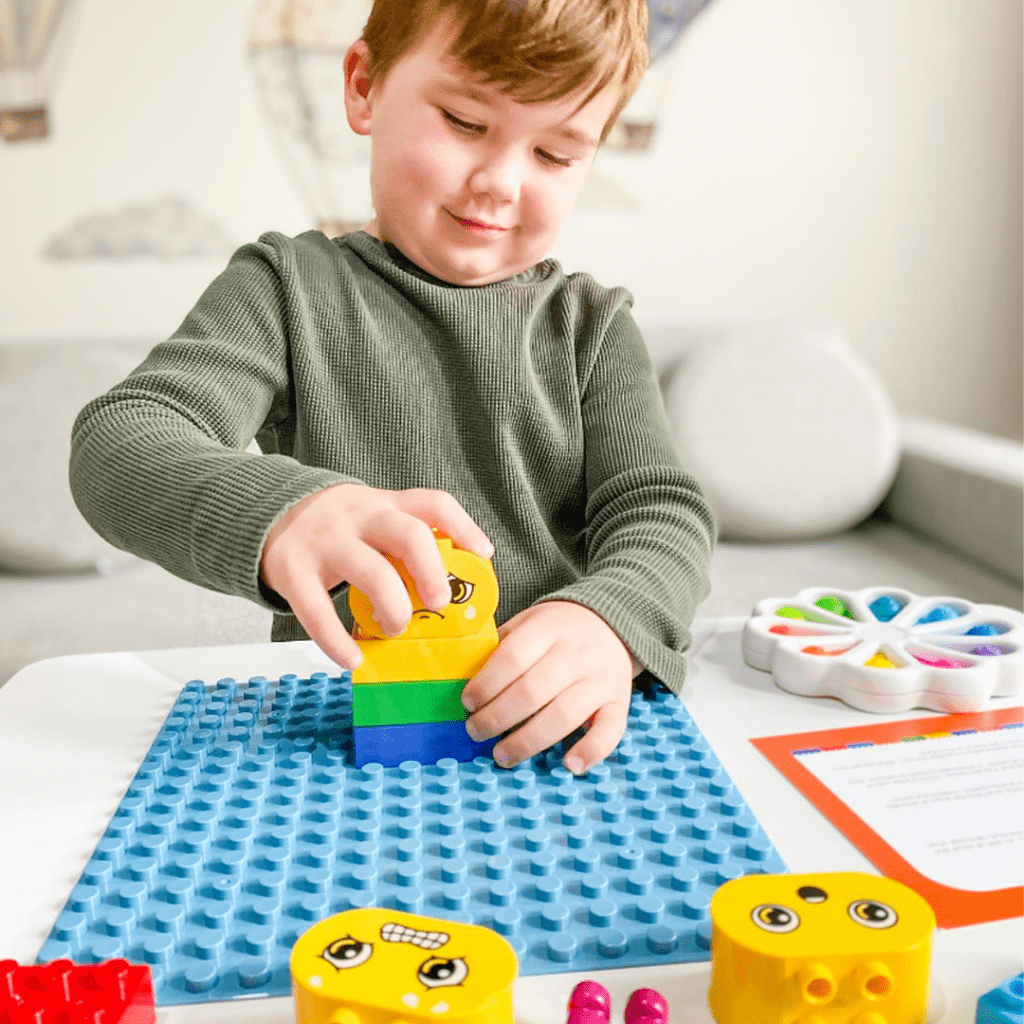
In today’s world, creating a vibrant sustainability classroom is essential for cultivating a sense of responsibility toward the planet—and it starts in early childhood. As educators and parents, we shape not only minds but hearts. With environmental issues on the rise, teaching kids to care for natural resources, wild animals, and our precious environment has never been more important.
The good news? It doesn’t have to be complicated or formal. In fact, the most meaningful resources for environmental stewardship are often found through play. This is the mission of Six Bricks Learning, and especially our The World Around Us deck—designed to immerse children in nature-based learning that’s fun, effective, and deeply engaging.
Why Nature Belongs in Childhood Education
Nature isn’t just a backdrop—it’s a teacher. Studies from the International Journal of Early Childhood Environmental Education and the International Journal of Environmental Research and Public Health affirm that early connection to nature supports everything from emotional development to problem-solving skills and social skills.

Through outdoor environments, natural materials, and natural elements like water, soil, and light, children can:
- Improve cognitive development and physical health
- Develop awareness about biodiversity conservation
- Build a relationship with nature and a love for native plants, wild animal species, and their animal homes
- Learn about food crops, food waste, and even food for bees
Building Your Sustainability Classroom with Six Bricks
At Six Bricks Learning, our approach to sustainability is rooted in holistic development. We believe children learn best through joyful experiences that integrate their whole being—body, mind, and heart.
Our The World Around Us deck introduces kids to:
- Recycling and clean water habits
- Natural habitats and the types of nature contacts (touching soil, observing birds, watering indoor plants)
- Concepts like “helper for planet Earth” through real-life play
- Issues like the Oil Spill (explained through metaphor and play)
Each activity encourages kids to think critically about natural environments and their own impact—becoming tiny stewards of the planet.
5 Hands-On Activities for Your Sustainability Classroom
These imaginative play ideas can be used at home, in schools, or in nature-based preschools.
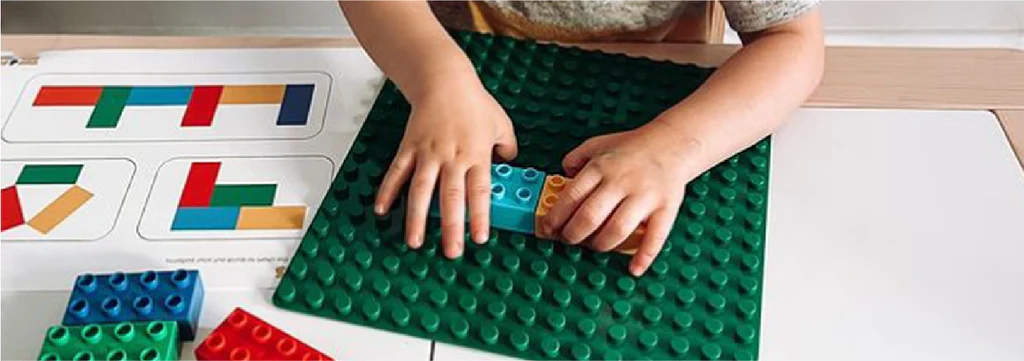
- Build a Recycling Hub
Children sort and “clean” miniature waste bins made of bricks—paper, plastic, and compost. Add stories of where trash goes and why it matters. - Create a Garden of Native Plants
Use bricks and figures to represent native plants, food crops, and flowers that offer food for bees. Kids design their own pollinator-friendly habitat. - Roleplay an Oil Spill Rescue
Build a coastal scene. Then simulate a “spill” using a harmless material (e.g., cocoa powder in water). Kids clean it up using LEGO tools. - Host a Brick-Based Earth Hour
Turn off the lights, use bricks to build scenes of the Earth at night. Discuss why conserving energy matters. - Build a Community Veggie Garden
Let kids create garden plots, compost bins, and a community market. Discuss reducing food waste and enjoying veggie foods.
Nature Preschools: The Perfect Ecosystem for Learning
Programs rooted in natural environments—like nature preschools—amplify the benefits of nature play. In these settings, children gain a deep understanding of nature through daily exposure, barefoot play, and hands-on engagement with their favorite nature spaces.
Want to simulate this experience indoors? Bring in natural materials like wood, sand, leaves, or even small indoor plants to your classroom. These simple additions can dramatically enhance children’s relationships with nature.
Backed by Science: Why This Works
According to studies in the International Journal of Environmental Research and Public Health, children exposed to natural elements show:
- Increased empathy toward lives of people and animals
- Better behavior regulation and attention spans
- Heightened interest in environmental issues
This reinforces what Six Bricks practices: children are not too young to care about the Earth. They just need the right tools.
Educator Tips for a Nature-Rich Sustainability Classroom
- Introduce “green jobs” in class: a plant waterer, waste monitor, or clean water helper
- Start each morning with “Nature Time” using one of our activity cards
- Display a nature bulletin board featuring photos of cool articles, amazing articles, or student-drawn bunch of animals
And don’t underestimate the impact of storytelling. A simple narrative like Cracker, the Lonely Crocodile can connect deeply with kids. When paired with play, it becomes a powerful tool for developing environmental stewardship.
Final Thoughts: Build the Future, Brick by Brick
A lot of people believe sustainability is too complex for young children. But at Six Bricks, we know that a sustainability classroom setting helps even a 3-year-old understand precious resources, feel empathy for wild animals, and grow up with a strong sense of responsibility—all through play.
With the right resource material, hands-on tools, and imaginative storytelling, you can inspire the next generation of planet protectors—one playful moment at a time.
Featured Product
- 24 eco-friendly learning activities
- Reward chart and engaging instructions
- Designed by educators for real impact